
Graniit on tardkivimi tüüp, mida kaevandatakse selle äärmise tugevuse, tiheduse, vastupidavuse ja korrosioonikindluse tõttu. Kuid graniit on ka väga mitmekülgne – see ei sobi ainult ruutude ja ristkülikute jaoks! Tegelikult töötame enesekindlalt regulaarselt graniidist komponentidega, mis on konstrueeritud igasuguste kujude, nurkade ja kõveratega – suurepäraste tulemustega.
Tänu meie tipptasemel töötlusmeetoditele on lõikepinnad erakordselt tasased. Need omadused muudavad graniidi ideaalseks materjaliks eritellimusel valmistatud masinabaaside ja metroloogiakomponentide loomiseks. Graniit on:
■ töödeldav
■ täpselt tasane pärast lõikamist ja viimistlemist
■ roostekindel
■ vastupidav
■ kauakestev
Graniidist komponente on ka lihtne puhastada. Eritellimusel disainide loomisel vali kindlasti graniit selle suurepäraste eeliste tõttu.
STANDARDID / SUUR KULUMISKOHT
ZHHIMG-i standardsete pinnaplaatide valmistamiseks kasutatav graniit on kõrge kvartsisisaldusega, mis tagab suurema vastupidavuse kulumisele ja kahjustustele. Meie Superior Black värvidel on madal veeimavus, mis minimeerib täppismõõturite roostetamise võimalust plaatidele kinnitamisel. ZHHIMG-i pakutavad graniidivärvid põhjustavad vähem pimestamist, mis tähendab plaatide kasutajatele vähem silmade väsimist. Oleme oma graniiditüübid valinud, võttes arvesse soojuspaisumist, et hoida see aspekt minimaalsena.
KOHANDATUD RAKENDUSED
Kui teie rakendus nõuab kohandatud kujuga, keermestatud sisestustega, piludega või muul viisil töödeldud plaati, peaksite valima sellise materjali nagu must Jinan Black. See looduslik materjal pakub suurepärast jäikust, suurepärast vibratsioonisummutust ja paremat töödeldavust.
Oluline on märkida, et ainuüksi värvus ei näita kivi füüsikalisi omadusi. Üldiselt on graniidi värvus otseselt seotud mineraalide olemasolu või puudumisega, millel ei pruugi olla mingit mõju omadustele, mis teevad sellest hea pinnaplaadimaterjali. On olemas roosasid, halli ja musti graniite, mis sobivad suurepäraselt pinnaplaatideks, samuti musti, halli ja roosasid graniite, mis on täppisrakendusteks täiesti sobimatud. Graniidi olulised omadused, mis puudutavad selle kasutamist pinnaplaadimaterjalina, ei ole värviga seotud ja on järgmised:
■ Jäikus (koormuse all olev läbipaine – mida näitab elastsusmoodul)
■ Kõvadus
■ Tihedus
■ Kulumiskindlus
■ Stabiilsus
■ Poorsus
Oleme testinud paljusid graniidist materjale ja neid materjale võrrelnud. Lõpuks jõudsime tulemuseni, et Jinani must graniit on parim materjal, mida me kunagi tundnud oleme. India must graniit ja Lõuna-Aafrika graniit on Jinani musta graniidiga sarnased, kuid nende füüsikalised omadused on Jinani musta graniidi omad nõrgemad. ZHHIMG otsib jätkuvalt maailmast rohkem graniidist materjale ja võrdleb nende füüsikalisi omadusi.
Et teie projekti jaoks sobivast graniidist rohkem rääkida, võtke meiega ühendust.info@zhhimg.com.
Erinevad tootjad kasutavad erinevaid standardeid. Maailmas on palju standardeid.
DIN standard, ASME B89.3.7-2013 või föderaalne spetsifikatsioon GGG-P-463c (graniidist pinnaplaadid) jne nende spetsifikatsioonide alusena.
Ja me saame toota graniidist täppiskontrollplaati vastavalt teie nõuetele. Võtke meiega ühendust, kui soovite lisateavet teiste standardite kohta.
Tasasust võib pidada kõigi pinna punktide paiknemiseks kahel paralleelsel tasapinnal, aluspinnal ja katuse tasapinnal. Tasapindade vahelise kauguse mõõt on pinna üldine tasasus. Sellel tasapinna mõõtmisel on tavaliselt tolerants ja see võib sisaldada klassi tähistust.
Näiteks on kolme standardklassi tasapinna tolerantsid määratletud föderaalses spetsifikatsioonis järgmise valemi abil:
■ Laboratoorse klassi AA = (40 + diagonaal ruudus/25) x 0,000001" (ühepoolne)
■ Kontrollklass A = laboriklass AA x 2
■ Tööriistaruumi klass B = laboriklass AA x 4.
Standardsuuruses pinnaplaatide puhul garanteerime tasapinna tolerantsid, mis ületavad selle spetsifikatsiooni nõudeid. Lisaks tasapinnale käsitlevad ASME B89.3.7-2013 ja föderaalne spetsifikatsioon GGG-P-463c teemasid, sealhulgas: korduvmõõtmise täpsus, pinnaplaatide graniitide materjali omadused, pinnaviimistlus, tugipunktide asukoht, jäikus, vastuvõetavad kontrollimeetodid, keermestatud sisestuste paigaldamine jne.
ZHHIMG graniidist pinnaplaadid ja graniidist kontrollplaadid vastavad kõigile käesolevas spetsifikatsioonis esitatud nõuetele või ületavad neid. Praegu puudub graniidist nurkplaatide, paralleelplaatide või põhiruutude jaoks määratlev spetsifikatsioon.
Ja teiste standardite valemid leiate siitLAADI ALLA.
Esiteks on oluline hoida plaat puhtana. Õhus leviv abrasiivne tolm on tavaliselt plaadi suurim kulumisallikas, kuna see kipub kinnistuma toorikutesse ja mõõteriistade kontaktpindadesse. Teiseks katke plaat kinni, et kaitsta seda tolmu ja kahjustuste eest. Kulumisaega saab pikendada, kui plaati ei kasutata, plaati perioodiliselt pöörates, et üksik piirkond ei saaks liigset koormust, ja mõõteriistade terasest kontaktpatjade asendamisega karbiidist patjadega. Samuti vältige toidu või karastusjookide asetamist plaadile. Pange tähele, et paljud karastusjoogid sisaldavad kas süsihapet või fosforhapet, mis võib lahustada pehmemaid mineraale ja jätta pinnale väikeseid süvendeid.
See sõltub sellest, kuidas taldrikut kasutatakse. Soovitame võimalusel taldrikut puhastada päeva (või töövahetuse) alguses ja uuesti lõpus. Kui taldrik määrdub, eriti õliste või kleepuvate vedelikega, tuleks see tõenäoliselt kohe puhastada.
Puhastage plaati regulaarselt vedela või ZHHIMG veevaba pinnaplaadipuhastusvahendiga. Puhastuslahuse valik on oluline. Lenduva lahusti (atsetoon, lakilahusti, alkohol jne) kasutamisel jahutab aurumine pinda ja moonutab seda. Sellisel juhul on vaja lasta plaadil enne kasutamist normaliseeruda, vastasel juhul tekivad mõõtmisvead.
Taldriku normaliseerimiseks kuluv aeg sõltub taldriku suurusest ja jahutamise hulgast. Väiksemate taldrikute puhul peaks piisama ühest tunnist. Suuremate taldrikute puhul võib vaja minna kahte tundi. Veepõhise puhastusvahendi kasutamisel toimub ka mõningane aurustuv jahutamine.
Plaat hoiab ka vett kinni ja see võib põhjustada pinnaga kokkupuutuvate metalldetailide roostetamist. Mõned puhastusvahendid jätavad pärast kuivamist kleepuva jäägi, mis meelitab ligi õhus levivat tolmu ja suurendab kulumist, selle asemel et seda vähendada.
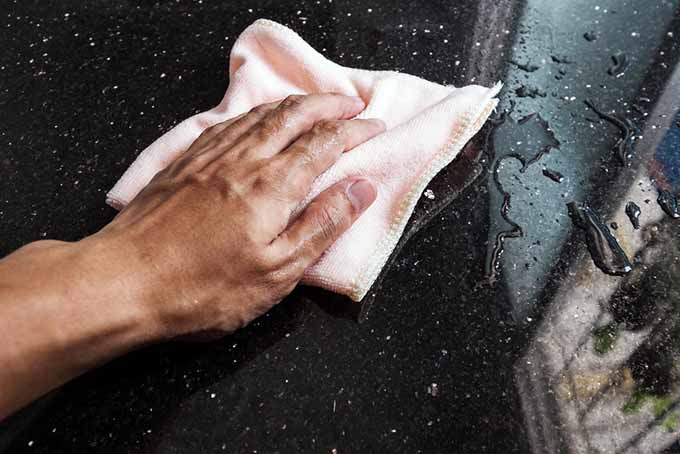
See sõltub plaadi kasutamisest ja keskkonnast. Soovitame uue plaadi või täppisgraniittarviku täieliku ümberkalibreerimise teha ühe aasta jooksul alates ostukuupäevast. Kui graniidist pinnaplaati kasutatakse palju, võib olla soovitatav seda intervalli lühendada kuue kuuni. Igakuine kontroll korduvate mõõtmisvigade suhtes elektroonilise loodi või sarnase seadme abil näitab kõiki tekkivaid kulumiskohti ja see võtab vaid paar minutit. Pärast esimese ümberkalibreerimise tulemuste kindlakstegemist võib kalibreerimisintervalli pikendada või lühendada vastavalt teie sisemisele kvaliteedisüsteemile.
Pakume teenust, mis aitab teil graniidist pinnaplaati kontrollida ja kalibreerida.

Kalibreerimiste erinevustel võib olla mitu võimalikku põhjust:
- Enne kalibreerimist pesti pinda kuuma või külma lahusega ja sellele ei antud piisavalt aega normaliseerumiseks.
- Plaat on valesti toetatud
- Temperatuuri muutus
- Mustandid
- Otsene päikesevalgus või muu kiirgussoojus plaadi pinnal. Veenduge, et laevalgustus pinda ei kuumutaks.
- Vertikaalse temperatuurigradiendi kõikumised talve ja suve vahel (võimalusel teadke vertikaalse gradiendi temperatuuri kalibreerimise ajal).
- Plaadil ei ole pärast saatmist piisavalt aega normaliseerumiseks
- Kontrolliseadmete ebaõige kasutamine või kalibreerimata seadmete kasutamine
- Kulumisest tulenev pinna muutus
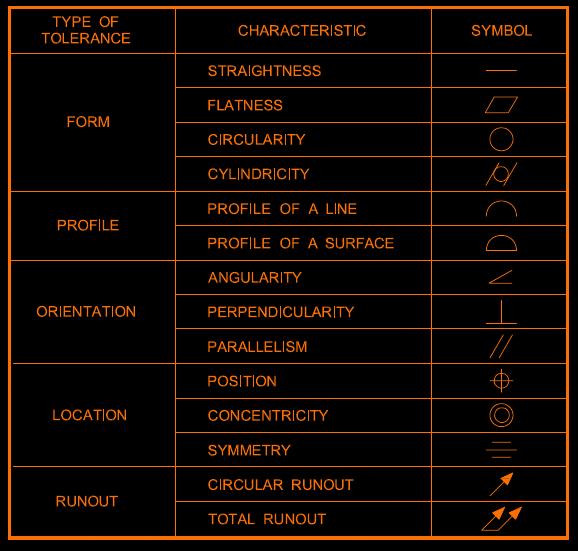
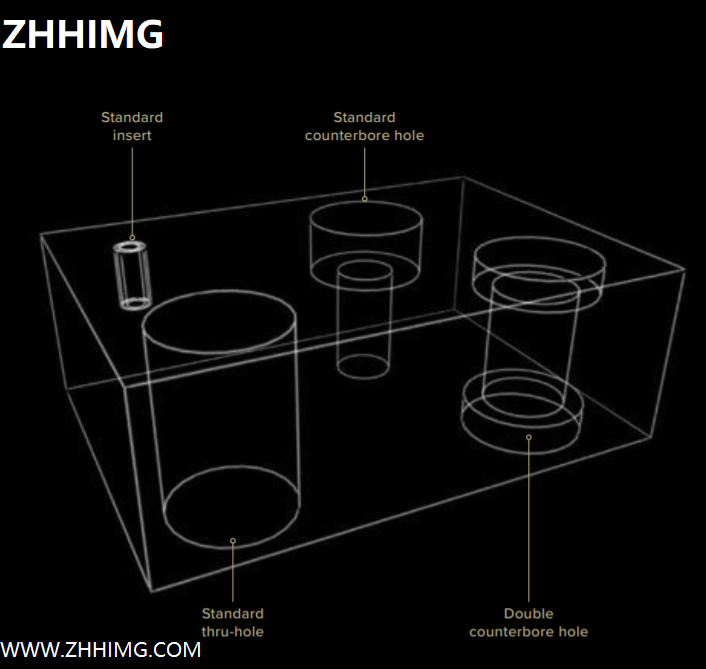
Mitu tüüpi auke on täppisgraniidil?
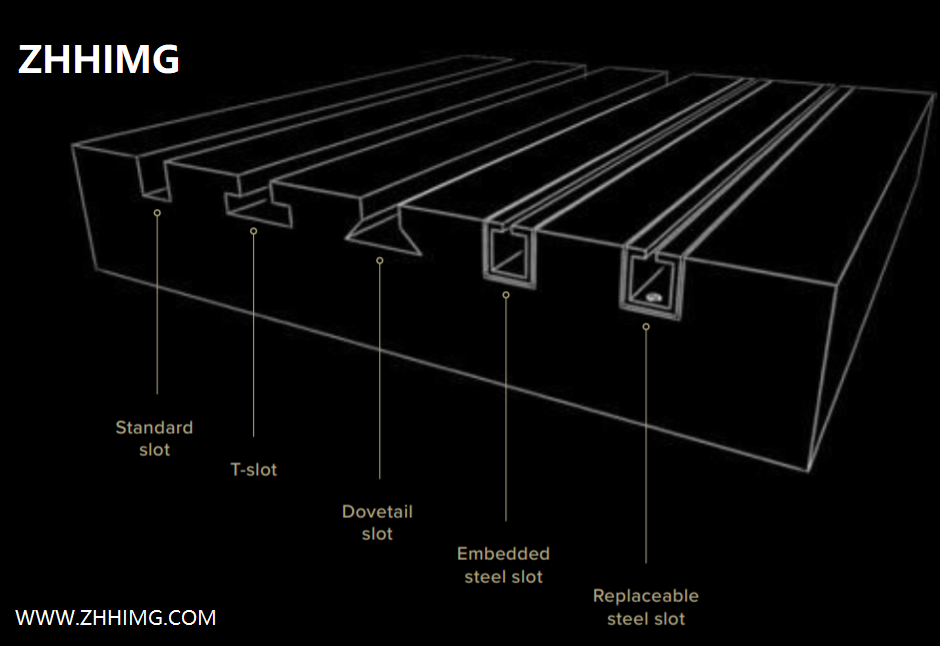
Täppisgraniidist komponentide pilud
Paljudes tehastes, kontrollruumides ja laborites kasutatakse täpse mõõtmise alusena täppis-graniidist pinnaplaate. Kuna iga lineaarmõõtmine sõltub täpsest võrdluspinnast, millelt lõplikud mõõtmed võetakse, pakuvad pinnaplaadid parimat võrdlustasandit töö kontrollimiseks ja paigutamiseks enne töötlemist. Need on ideaalsed alused ka kõrguse mõõtmiseks ja pindade mõõtmiseks. Lisaks muudavad kõrge tasasus, stabiilsus, üldine kvaliteet ja töötlus need heaks valikuks keerukate mehaaniliste, elektrooniliste ja optiliste mõõtsüsteemide paigaldamiseks. Kõigi nende mõõtmisprotsesside puhul on hädavajalik hoida pinnaplaadid kalibreerituna.
Korda mõõtmisi ja tasasust
Nii tasapinnalisus kui ka korduvad mõõtmised on täpse pinna tagamiseks kriitilise tähtsusega. Tasapinnalisust võib pidada kõigi pinna punktide paiknemiseks kahel paralleelsel tasapinnal – aluspinnal ja katusepinnal. Tasapindade vahelise kauguse mõõt on pinna üldine tasasus. Sellel tasapinnalisuse mõõtmisel on tavaliselt tolerants ja see võib sisaldada ka klassi tähistust.
Kolme standardklassi tasapinna tolerantsid on määratletud föderaalses spetsifikatsioonis järgmise valemi abil:
DIN standard, GB standard, ASME standard, JJS standard... erinev riik erineva standardiga...
Lisaks tasapinnalisusele tuleb tagada ka korduvus. Kordusmõõtmine on lokaalsete tasapinnaliste alade mõõtmine. See on mõõtmine, mis tehakse plaadi pinnal ükskõik kus ja mis kordub ettenähtud tolerantsi piires. Lokaalse tasapinnalise alade kontrollimine üldisest tasapinnalisusest rangema tolerantsi piires tagab pinna tasapinnalise profiili järkjärgulise muutumise, minimeerides seeläbi lokaalseid vigu.
Selleks, et tagada pinnaplaadi vastavus nii tasapinnalisuse kui ka korduvmõõtmise spetsifikatsioonidele, peaksid graniidist pinnaplaatide tootjad oma spetsifikatsioonide alusena kasutama föderaalset spetsifikatsiooni GGG-P-463c. See standard käsitleb korduvmõõtmise täpsust, graniidist pinnaplaadi materjaliomadusi, pinnaviimistlust, tugipunktide asukohta, jäikust, vastuvõetavaid kontrollimeetodeid ja keermestatud sisestusdetailide paigaldamist.
Plaadi täpsuse kontrollimine
Mõne lihtsa juhise järgimisega peaks graniidist pinnaplaati investeering kestma aastaid. Pinnaplaadi täpsuse kontrollimise sagedus varieerub sõltuvalt plaadi kasutamisest, töökoja keskkonnast ja vajalikust täpsusest. Üldine rusikareegel on, et uus plaat tuleks täielikult ümber kalibreerida ühe aasta jooksul alates ostmisest. Kui plaati kasutatakse sageli, on soovitatav seda intervalli lühendada kuue kuuni.
Enne kui pinnaplaat on kulunud üle üldise tasapinna spetsifikatsiooni, on sellel näha kulunud või lainelisi postid. Korduvate mõõtmisvigade igakuine kontroll korduvmõõteseadmega tuvastab kulumiskohad. Korduvate mõõtmistega seade on ülitäpne instrument, mis tuvastab lokaalseid vigu ja mida saab kuvada suurendusvõimega elektroonilisel võimendil.
Tõhus kontrolliprogramm peaks hõlmama regulaarseid kontrolle autokollimaatoriga, mis tagab üldise tasapinnalisuse tegeliku kalibreerimise vastavalt Riiklikule Standardite ja Tehnoloogia Instituudile (NIST). Aeg-ajalt on vajalik tootja või sõltumatu ettevõtte põhjalik kalibreerimine.
Kalibreerimiste vahelised erinevused
Mõnel juhul esineb pinnaplaatide kalibreerimiste vahel erinevusi. Mõnikord võivad need erinevused olla tingitud sellistest teguritest nagu kulumisest tingitud pinnamuutus, kontrollseadmete ebaõige kasutamine või kalibreerimata seadmete kasutamine. Kaks kõige levinumat tegurit on aga temperatuur ja tugi.
Üks olulisemaid muutujaid on temperatuur. Näiteks võidi pinda enne kalibreerimist pesta kuuma või külma lahusega ja sellele ei antud piisavalt aega normaliseerumiseks. Muud temperatuurimuutuse põhjused on külma või kuuma õhu tuuletõmbus, otsene päikesevalgus, laevalgustus või muud plaadi pinnale kiirgava soojuse allikad.
Samuti võib talve ja suve vahel olla vertikaalse temperatuurigradiendi erinevusi. Mõnel juhul ei anta plaadile pärast saatmist piisavalt aega normaliseerumiseks. Kalibreerimise ajal on hea mõte vertikaalse gradiendi temperatuur registreerida.
Teine levinud kalibreerimise kõrvalekallete põhjus on valesti toetatud plaat. Pinnaplaati tuleks toetada kolmest punktist, ideaaljuhul plaadi otstest 20% pikkusest sissepoole. Kaks tuge peaksid asuma pikematest külgedest 20% laiusest sissepoole ja ülejäänud tugi peaks olema tsentreeritud.
Ainult kolm punkti saavad toetuda kindlalt millelegi muule kui täppispinnale. Plaadi toetamine rohkem kui kolmest punktist põhjustab selle, et plaat saab tuge kolme punkti erinevatest kombinatsioonidest, mis ei ole samad kolm punkti, millele see tootmise ajal toetus. See tekitab vigu, kuna plaat paindub uue tugikonstruktsiooniga kohandudes. Kaaluge terasest aluste kasutamist tugitaladega, mis on konstrueeritud nii, et need joonduvad õigete tugipunktidega. Selleks otstarbeks on alused üldiselt saadaval pinnaplaadi tootjalt.
Kui plaat on korralikult toetatud, on täpne nivelleerimine vajalik ainult siis, kui rakendus seda nõuab. Nivelleerimine ei ole korralikult toetatud plaadi täpsuse säilitamiseks vajalik.
Pikenda plaatide eluiga
Mõne juhise järgimine vähendab graniidist pinnaplaadi kulumist ja pikendab lõpuks selle eluiga.
Esiteks on oluline hoida plaat puhtana. Õhus leviv abrasiivtolm on tavaliselt plaadi suurim kulumisallikas, kuna see kipub kinnistuma töödeldavatesse detailidesse ja mõõteriistade kokkupuutepindadesse.
Samuti on oluline plaadid tolmu ja kahjustuste eest kaitsmiseks katta. Kulumiskindlust saab pikendada, kui plaati ei kasutata.
Pöörake plaati perioodiliselt, et üksik ala liigselt ei koormataks. Samuti on soovitatav kalibreerimisel terasest kontaktpadjad asendada karbiidist kontaktpatjadega.
Väldi toidu või karastusjookide taldrikule asetamist. Paljud karastusjoogid sisaldavad kas süsihapet või fosforhapet, mis võib lahustada pehmemaid mineraale ja jätta pinnale väikesed lohud.
Kuhu uuesti puhata
Kui graniidist pinnaplaat vajab uuesti pindamist, kaaluge, kas lasta see teenus teostada kohapeal või kalibreerimiskeskuses. Alati on eelistatav lasta plaat uuesti pinda panna tehases või spetsiaalses asutuses. Kui aga plaat pole liiga palju kulunud, tavaliselt nõutavast tolerantsist 0,001 tolli piires, saab selle kohapeal uuesti pinda panna. Kui plaat on kulunud punktini, kus see on tolerantsist väljas rohkem kui 0,001 tolli või kui see on tugevalt auklik või sälkuline, tuleks see enne uuesti pindamist saata tehasesse lihvimiseks.
Kalibreerimiskeskuses on seadmed ja tehaseseaded, mis tagavad optimaalsed tingimused plaatide nõuetekohaseks kalibreerimiseks ja vajadusel ümbertöötlemiseks.
Kohapealse kalibreerimis- ja pinnatöötlustehniku valimisel tuleks olla väga hoolikas. Küsige akrediteeringut ja veenduge, et tehniku kasutatavatel seadmetel oleks jälgitav kalibreerimine. Kogemus on samuti oluline tegur, kuna graniidi täppislihvimise õigeks õppimiseks kulub aastaid.
Olulised mõõtmised algavad täpse graniidist pinnaplaadiga kui lähtepunktiga. Tagades usaldusväärse viite korralikult kalibreeritud pinnaplaadi abil, on tootjatel üks olulisemaid tööriistu usaldusväärsete mõõtmiste ja parema kvaliteediga osade saamiseks.Q
Kalibreerimise variatsioonide kontroll-leht
1. Pinda pesti enne kalibreerimist kuuma või külma lahusega ja sellele ei antud piisavalt aega normaliseerumiseks.
2. Plaat on valesti toetatud.
3. Temperatuuri muutus.
4. Mustandid.
5. Otsene päikesevalgus või muu kiirgussoojus plaadi pinnal. Veenduge, et laevalgustus pinda ei kuumutaks.
6. Vertikaalse temperatuurigradiendi kõikumised talve ja suve vahel. Võimaluse korral teadke vertikaalse gradiendi temperatuuri kalibreerimise ajal.
7. Plaadil ei antud pärast saatmist piisavalt aega normaliseerumiseks.
8. Kontrollseadmete ebaõige kasutamine või kalibreerimata seadmete kasutamine.
9. Kulumisest tulenev pinna muutus.
Tehnilised näpunäited
- Kuna iga lineaarmõõtmine sõltub täpsest võrdluspinnast, millelt lõplikud mõõtmed võetakse, pakuvad pinnaplaadid parimat võrdlustasandit töö kontrollimiseks ja paigutamiseks enne töötlemist.
- Kohaliku pinna tasapinna kontrollimine üldisest tasapinnast rangema tolerantsi piires tagab pinna tasapinna profiili järkjärgulise muutumise, minimeerides seeläbi kohalikke vigu.
- Tõhus kontrolliprogramm peaks hõlmama regulaarseid kontrolle autokollimaatoriga, mis tagab üldise tasapinnalisuse tegeliku kalibreerimise, mida saab jälgida riikliku kontrolliasutuse poolt.
Graniiti moodustavate mineraalosakeste hulgas on üle 90% päevakivi ja kvarts, millest päevakivi on kõige rohkem. Päevakivi on sageli valge, hall ja lihapunane ning kvarts on enamasti värvitu või hallikasvalge, mis moodustavad graniidi põhivärvi. Päevakivi ja kvarts on kõvad mineraalid ja neid on terasnoaga raske liigutada. Mis puutub graniidi tumedatesse laikudesse, peamiselt musta vilgukivi, siis on ka teisi mineraale. Kuigi biotiit on suhteliselt pehme, pole selle pingetaluvus nõrk ja samal ajal on neid graniidis väike kogus, sageli alla 10%. See on materjali seisund, milles graniit on eriti tugev.
Teine põhjus, miks graniit on tugev, on see, et selle mineraalosakesed on tihedalt üksteisega seotud ja üksteise sisse põimitud. Poorid moodustavad sageli vähem kui 1% kivimi kogumahust. See annab graniidile võime taluda tugevat survet ja niiskus ei tungi sinna kergesti läbi.
Graniitkomponendid on valmistatud kivist, millel puudub rooste-, happe- ja leeliskindlus, hea kulumiskindlus ja pikk kasutusiga, ilma erilise hoolduseta. Graniidist täppiskomponente kasutatakse enamasti masinatööstuse tööriistades. Seetõttu nimetatakse neid graniidist täppiskomponentideks või graniidist komponentideks. Graniidist täppiskomponentide omadused on põhimõtteliselt samad, mis graniidist platvormidel. Sissejuhatus graniidist täppiskomponentide tööriistadesse ja mõõtmisse: täppistöötlus ja mikrotöötlustehnoloogia on masinatööstuse olulised arengusuunad ning neist on saanud oluline näitaja kõrgtehnoloogilise taseme mõõtmiseks. Tipptehnoloogia ja kaitsetööstuse areng on lahutamatult seotud täppistöötluse ja mikrotöötlustehnoloogiaga. Graniitkomponente saab mõõtmisel sujuvalt libistada ilma paigalseisuta. Tööpinna mõõtmine ja üldised kriimustused ei mõjuta mõõtmise täpsust. Graniitkomponendid tuleb projekteerida ja toota vastavalt nõudluse poole nõuetele.
Rakendusvaldkond:
Nagu me kõik teame, valib üha rohkem masinaid ja seadmeid täppisgraniidist komponente.
Graniidist komponente kasutatakse dünaamilise liikumise, lineaarmootorite, CMM-i, CNC-i, lasermasinate...
Lisateabe saamiseks võtke meiega ühendust.
Graniidist mõõteseadmed ja graniidist mehaanilised komponendid on valmistatud kvaliteetsest Jinan Black graniidist. Tänu oma suurele täpsusele, pikaealisusele, heale stabiilsusele ja korrosioonikindlusele on neid üha enam kasutatud tänapäevase tööstuse tootekontrollis ja sellistes teadusvaldkondades nagu mehaanika, lennundus ja teadusuuringud.
Eelised
----Kaks korda kõvem kui malm;
---- Minimaalsed mõõtmete muutused tulenevad temperatuurimuutustest;
----Väänamisvaba, seega töö ei katke;
----Peeneteralise struktuuri ja ebaolulise kleepuvuse tõttu ilma servade või eenditeta, mis tagab pika kasutusea jooksul kõrge tasapinnalisuse ega kahjusta teisi osi ega instrumente;
----Magnetiliste materjalidega töötamise tõrgeteta töö;
----Pikk eluiga ja roostevaba, mille tulemuseks on madalad hoolduskulud.
Täppis-graniidist pinnaplaadid on täpselt lihvitud kõrge tasapinnaga, et saavutada täpsus ja neid kasutatakse keerukate mehaaniliste, elektrooniliste ja optiliste mõõtmissüsteemide paigaldamise alusena.
Mõned graniidist pinnaplaadi ainulaadsed omadused:
Kõvaduse ühtlus;
Täpne koormustingimustes;
Vibratsiooni neelav;
Lihtne puhastada;
Mähiskindel;
Madal poorsus;
Mitteabrasiivne;
Mittemagnetiline
Graniidist pinnaplaadi eelised
Esiteks, pärast pikka loomulikku vananemist on kivimil ühtlane struktuur, minimaalne koefitsient ja sisemine pinge kaob täielikult ning see ei deformeeru, seega on täpsus kõrge.
Teiseks, kriimustusi ei teki, mitte konstantse temperatuuri tingimustes, toatemperatuuril saab säilitada ka temperatuuri mõõtmise täpsuse.
Kolmandaks, mitte magnetiseerumine, mõõtmine võib olla sujuv liikumine, ei krigisevat tunnet, niiskus ei mõjuta, lennuk on fikseeritud.
Neljandaks, jäikus on hea, kõvadus on kõrge ja kulumiskindlus on tugev.
Viis, ei karda happelist ja aluselist vedeliku erosiooni, ei roosteta, ei pea õliga värvima, ei kleepu kergesti mikrotolmu, on hooldust, hooldust on lihtne ja kasutusiga pikk.
Miks valida graniidist alus malmist masinavoodi asemel?
1. Graniidist masinaalus võib säilitada suurema täpsuse kui malmist masinaalus. Malmist masinaalust mõjutavad temperatuur ja niiskus kergesti, graniidist masinaalust aga mitte.
2. Graniidist masina aluse ja malmist aluse sama suurusega on graniidist masina alus kulutõhusam kui malm;
3. Spetsiaalset graniidist masinaalust on lihtsam viimistleda kui malmist masinaalust.
Graniitplaadid on võtmetähtsusega instrumendid kontrolllaborites üle kogu riigi. Kalibreeritud ja äärmiselt tasane pinna tõttu saavad inspektorid neid kasutada detailide kontrollimise ja instrumentide kalibreerimise alusena. Ilma pinnaplaatide pakutava stabiilsuseta oleks paljusid range tolerantsiga osi erinevates tehnoloogia- ja meditsiinivaldkondades palju raskem, kui mitte võimatu, õigesti toota. Loomulikult tuleb graniidist pinnaploki kasutamiseks teiste materjalide ja tööriistade kalibreerimiseks ja kontrollimiseks hinnata graniidi enda täpsust. Kasutajad saavad graniidist pinnaplaati kalibreerida, et tagada selle täpsus.
Puhastage graniidist pinnaplaat enne kalibreerimist. Valage väike kogus pinnaplaadi puhastusvahendit puhtale ja pehmele lapile ning pühkige graniidi pind. Kuivatage puhastusvahend koheselt pinnaplaadilt kuiva lapiga. Ärge laske puhastusvedelikul õhu käes kuivada.
Asetage korduv mõõteseade graniidist pinnaplaadi keskele.
Nullige korduvmõõtur graniitplaadi pinnale.
Liigutage mõõteriista aeglaselt graniidi pinnal. Jälgige mõõteriista indikaatorit ja registreerige kõik kõrguse muutused, kui liigutate instrumenti üle plaadi.
Võrrelge plaadi pinna tasasuse varieerumist oma pinnaplaadi tolerantsidega, mis varieeruvad sõltuvalt plaadi suurusest ja graniidi tasasuse astmest. Vaadake föderaalset spetsifikatsiooni GGG-P-463c (vt Ressursid), et teha kindlaks, kas teie plaat vastab oma suuruse ja klassi tasasuse nõuetele. Plaadi kõrgeima ja madalaima punkti vaheline erinevus on selle tasasuse mõõt.
Kontrollige, et plaadi pinnal esinevad suurimad sügavuse kõikumised jääksid selle suuruse ja klassi plaadi korduvusspetsifikatsioonide piiridesse. Kontrollige föderaalset spetsifikatsiooni GGG-P-463c (vt Ressursid), et teha kindlaks, kas teie plaat vastab oma suuruse korduvusnõuetele. Lükake pinnaplaat tagasi, kui isegi üks punkt ei vasta korduvusnõuetele.
Lõpetage graniidist pinnaplaadi kasutamine, mis ei vasta föderaalsetele nõuetele. Tagastage plaat tootjale või graniitpindade ettevõttele, et see spetsifikatsioonidele vastavaks poleerida.
Jootraha
Tehke ametlikke kalibreerimisi vähemalt kord aastas, kuigi graniidist pinnaplaate, mis näevad suurt kasutamist, tuleks kalibreerida sagedamini.
Formaalset ja salvestatavat kalibreerimist tootmis- või kontrollikeskkondades teostab sageli kvaliteeditagamine või väline kalibreerimisteenuste pakkuja, kuigi igaüks saab enne kasutamist pinnaplaati mitteametlikult kontrollida korduva mõõteseadmega.
Graniitplaatide varajane ajalugu
Enne Teist maailmasõda kasutasid tootjad detailide mõõtmete kontrollimiseks terasplaate. Teise maailmasõja ajal suurenes terasevajadus dramaatiliselt ja palju terasplaate sulatati üles. Vaja oli asendust ja graniidist sai eelistatud materjal oma suurepäraste metroloogiliste omaduste tõttu.
Graniidil oli terase ees mitmeid eeliseid. Graniit on kõvem, kuigi hapram ja altim purunemisele. Graniiti saab palju tasasemaks ja kiiremini töödelda kui terast. Graniidil on ka soovitav omadus - madalam soojuspaisumine võrreldes terasega. Lisaks, kui terasplaat vajas parandamist, pidid käsitöölised selle käsitsi kraapima ja oma oskusi rakendasid ka tööpinkide taastamisel.
Kõrvalmärkusena on mõned terasplaadid tänapäevalgi kasutusel.
Graniitplaatide metroloogilised omadused
Graniit on vulkaanipursete tagajärjel tekkinud tardkivim. Võrdluseks, marmor on metamorfeerunud lubjakivi. Metroloogias kasutamiseks peab valitud graniit vastama föderaalspetsifikatsioonis GGG-P-463c (edaspidi Fed Specs) ja täpsemalt 3.1. osas 3.1 esitatud nõuetele. Fed Specs'ide hulgas peaks graniit olema peene kuni keskmise teraga.
Graniit on kõva materjal, kuid selle kõvadus varieerub mitmel põhjusel. Kogenud graniitplaatide tehnik saab kõvadust hinnata värvi järgi, mis näitab kvartsisisaldust. Graniidi kõvadus on omadus, mida osaliselt määrab kvartsisisaldus ja vilgukivi puudumine. Punased ja roosad graniidid on tavaliselt kõige kõvemad, hallid on keskmise kõvadusega ja mustad on kõige pehmemad.
Youngi elastsusmoodulit kasutatakse kivi paindlikkuse või kõvaduse näitamiseks. Roosa graniidi keskmine väärtus on skaalal 3–5 punkti, halli graniidi keskmine väärtus on 5–7 punkti ja musta graniidi keskmine väärtus on 7–10 punkti. Mida väiksem arv, seda kõvem on graniit. Mida suurem arv, seda pehmem ja paindlikum on graniit. Graniidi kõvadust on oluline teada, kui valitakse tolerantsiklasside jaoks vajalik paksus ning sellele asetatavate osade ja kaliibrite kaal.
Vanasti, kui elasid päris masinaehitajad, keda tunti särgitaskus olevate trigonomeetriliste vihikute järgi, peeti musta graniiti „parimaks“. Parim defineeriti kui tüüp, mis oli kõige vastupidavam kulumisele või oli kõvem. Üks puudus on see, et kõvemad graniidid kipuvad kergemini mõranema või mõlkima. Masinaehitajad olid nii veendunud, et must graniit on parim, et mõned roosa graniidi tootjad värvisid selle mustaks.
Olen isiklikult näinud plaati, mis laost toomisel kahveltõstukilt maha kukkus. Plaat kukkus põrandale ja lagunes pooleks, paljastades oma tõelise roosa värvi. Olge ettevaatlik, kui plaanite Hiinast musta graniidi ostmist. Soovitame teil oma raha muul viisil raisata. Graniitplaadi kõvadus võib olla erinev. Kvartsiriba võib olla palju kõvem kui ülejäänud pinnaplaat. Musta gabbro kiht võib muuta ala palju pehmemaks. Hästi koolitatud ja kogenud pinnaplaatide remonditehnikud teavad, kuidas nende pehmete aladega toime tulla.
Pinnaplaatide klassid
Pinnaplaate on nelja klassi. Laboriklassid AA ja A, ruumikontrolliklassid B ja neljas on töökojaklassid. AA ja A klassid on kõige tasasemad, tasapinna tolerantsiga AA-klassi plaadi puhul, mis on parem kui 0,00001 tolli. Töökojaklassid on kõige vähem tasased ja nagu nimigi ütleb, on need mõeldud kasutamiseks tööriistaruumides. AA-, A- ja B-klassid on mõeldud kasutamiseks inspekteerimis- või kvaliteedikontrolli laboris.
PRoperi testimine pinnaplaadi kalibreerimiseks
Olen oma klientidele alati öelnud, et võin oma kirikust iga 10-aastase lapse välja kutsuda ja talle kõigest mõne päevaga õpetada, kuidas taldrikut testida. See pole raske. Ülesande kiireks sooritamiseks on vaja teatud tehnikat, mida õpitakse aja jooksul ja palju kordusi tehes. Peaksin teile teatama ja ma ei saa piisavalt rõhutada, et Fed Spec GGG-P-463c EI OLE kalibreerimisprotseduur! Sellest lähemalt hiljem.
Üldise tasapinna (keskmine paneeli suurus) ja korduvuse (lokaalne kulumine) kontrollide kalibreerimine on Fedi spetsifikatsioonide kohaselt kohustuslik. Ainsaks erandiks on väikesed plaadid, mille puhul on vajalik ainult korduvus.
Sama oluline kui teised testid on ka termiliste gradientide test (vt allpool Delta T).
Joonis 1
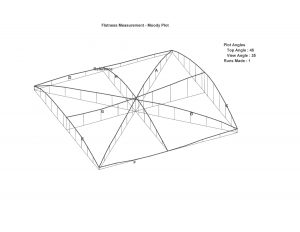
Tasapinnalisuse testimiseks on neli heakskiidetud meetodit. Elektroonilised loodid, autokollimatsioon, laser ja seade, mida tuntakse tasapinnalokaatorina. Meie kasutame ainult elektroonilisi loode, kuna need on mitmel põhjusel kõige täpsem ja kiirem meetod.
Laserid ja autokollimaatorid kasutavad võrdluspunktina väga sirget valguskiirt. Graniitplaadi sirgust saab mõõta, võrreldes plaadi ja valguskiire vahelist kaugust. Sirguse mõõtmiseks võetakse sirge valguskiir, suunatakse see helkurobjektile, liigutades helkurobjekti mööda plaati allapoole. Kiirgava ja tagasituleva kiire vaheline kaugus on sirguse mõõt.
Selle meetodi probleem on järgmine. Sihtmärki ja allikat mõjutavad vibratsioon, ümbritseva õhu temperatuur, mitte just lame või kriimustatud sihtmärk, õhusaaste ja õhu liikumine (voolud). Kõik need lisavad veakomponente. Lisaks on autokollimaatoriga kontrollimisel tekkiv operaatori viga suurem.
Kogenud autokollimaatori kasutaja suudab teha väga täpseid mõõtmisi, kuid seisab siiski silmitsi näitude järjepidevusega, eriti pikemate vahemaade puhul, kuna peegeldused kipuvad laienema või muutuma veidi häguseks. Samuti tekitavad ebatasane sihtmärk ja pikk päev läbi objektiivi piilumist lisavigu.
Tasapinna asukoha määramise seade on lihtsalt rumal. See seade kasutab võrdluspunktina suhteliselt sirget kiirt (võrreldes äärmiselt sirge kollimeeritud või laserkiirega). Lisaks sellele, et mehaaniline seade kasutab tavaliselt vaid 20 mikrotollise lahutusvõimega indikaatorit, suurendavad lati ebaühtlus ja erinevad materjalid oluliselt mõõtmisvigu. Meie arvates, kuigi meetod on vastuvõetav, ei kasutaks ükski pädev labor kunagi tasapinna asukoha määramise seadet lõppkontrolli instrumendina.
Elektroonilised loodid kasutavad võrdluspunktina gravitatsiooni. Diferentsiaalelektroonilised loodid ei ole vibratsiooni poolt mõjutatud. Nende eraldusvõime on vaid 0,1 kaaresekundit ning mõõtmised on kiired ja täpsed ning kogenud operaatori vead on väga väikesed. Ei tasapinna lokaatorid ega autokollimaatorid paku arvuti abil genereeritud topograafilisi (joonis 1) ega isomeetrilisi (joonis 2) pinna graafikuid.
Joonis 2
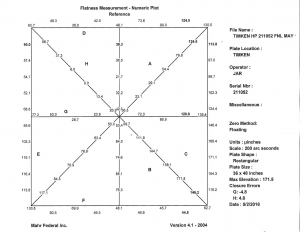
Pinna õige tasasuse test
Pinna tasasuse test on selle töö nii oluline osa, et oleksin pidanud selle algusesse paigutama. Nagu varem mainitud, EI OLE Fed Spec. GGG-p-463c kalibreerimismeetod. See on juhiseks paljude metroloogiliselt puhta graniidi aspektide kohta, mille sihtotstarbeline ostja on mis tahes föderaalvalitsusasutus, sealhulgas katsemeetodid ja tolerantsid või klassid. Kui töövõtja väidab, et ta järgis Fed Specs'i, siis tasasuse väärtus määratakse Moody meetodi abil.
Moody oli juba 50ndatel elanud mees, kes töötas välja matemaatilise meetodi üldise tasapinna määramiseks ja testitud joonte orientatsiooni arvestamiseks, näiteks kas need on samas tasapinnas piisavalt lähedal. Miski pole muutunud. Allied Signal püüdis matemaatilist meetodit täiustada, kuid jõudis järeldusele, et erinevused olid nii väikesed, et pingutus polnud seda väärt.
Kui pinnaplaatide paigaldaja kasutab elektroonilisi loode või laserit, abistab ta arvutuste tegemisel arvutit. Ilma arvuti abita peab autokollimatsiooni kasutav tehnik näidud käsitsi arvutama. Tegelikkuses nad seda ei tee. See võtab liiga kaua aega ja ausalt öeldes võib olla liiga keeruline. Tasasuse testis Moody meetodi abil testib tehnik kaheksa joont Union Jacki konfiguratsioonis sirguse kontrollimiseks.
Moody meetod
Moody meetod on matemaatiline viis, kuidas teha kindlaks, kas kaheksa joont on samal tasapinnal. Vastasel juhul on teil lihtsalt kaheksa sirget joont, mis võivad olla samal tasapinnal või selle lähedal või mitte. Lisaks, töövõtja, kes väidab, et järgib Fed Spec'i ja kasutab autokollimatsiooni, ...peabgenereerida kaheksa lehekülge andmeid. Üks lehekülg iga kontrollitud rea kohta, et tõestada tema testimist, parandamist või mõlemat. Vastasel juhul pole töövõtjal aimugi, milline on tegelik tasapinna väärtus.
Olen kindel, et kui te olete üks neist, kes laseb oma plaate töövõtjal autokollimatsiooni abil kalibreerida, siis pole te neid lehekülgi kunagi näinud! Joonis 3 on näidis...ainult üksKaheksa lehekülge on vajalikud üldise tasapinna arvutamiseks. Üks märk sellest teadmatusest ja pahatahtlikkusest on see, kui teie aruandes on ilusad ümardatud numbrid. Näiteks 200, 400, 650 jne. Õigesti arvutatud väärtus on reaalarv. Näiteks 325,4 u In. Kui töövõtja kasutab Moody meetodit arvutustes ja tehnik arvutab väärtused käsitsi, peaksite saama kaheksa lehekülge arvutusi ja isomeetrilise graafiku. Isomeetriline graafik näitab erinevaid kõrgusi mööda erinevaid jooni ja seda, kui suur on kaugus valitud lõikepunktide vahel.
Joonis 3(Tasapinna käsitsi arvutamiseks kulub kaheksa sellist lehekülge. Kui teie töövõtja kasutab autokollimatsiooni, küsige kindlasti, miks te seda ei saa!)
Joonis 4
Mõõtmetehnikud kasutavad diferentsiaalloode (joonis 4) eelistatud seadmetena, et mõõta nurkade väikseimaid muutusi mõõtejaamade vahel. Loodidel on eraldusvõime kuni 0,1 kaaresekundit (5 mikrotolli, kasutades 4-tollist kelku), need on äärmiselt stabiilsed ega ole mõjutatud vibratsioonist, mõõdetud vahemaadest, õhuvooludest, operaatori väsimusest, õhusaastest ega muudest seadmetest tulenevatest probleemidest. Lisage arvuti abi ja ülesanne muutub suhteliselt kiireks, genereerides topograafilisi ja isomeetrilisi graafikuid, mis tõestavad kontrollimist ja mis kõige tähtsam, parandamist.
Nõuetekohase korduvuse test
Korduvuse mõõtmine ehk korduvus on kõige olulisem test. Korduvuse mõõtmiseks kasutatavad seadmed on korduvvuse mõõtmise seade, LVDT ja võimendi, mis on vajalikud suure eraldusvõimega näitude saamiseks. LVDT võimendi minimaalseks eraldusvõimeks on seatud 10 mikrotolli või 5 mikrotolli suure täpsusega plaatide jaoks.
Ainult 20-tolli lahutusvõimega mehaanilise indikaatori kasutamine on väärtusetu, kui proovite testida 35-tolli korduvusnõuet. Indikaatorite määramatus on 40-tolli! Korduslugemise seadistus jäljendab kõrgusmõõturi/detaili konfiguratsiooni.
Korduvus EI OLE sama mis üldine tasasus (keskmine tasapind). Mulle meeldib mõelda graniidi korduvusest kui järjepidevast raadiuse mõõtmisest.
Joonis 5
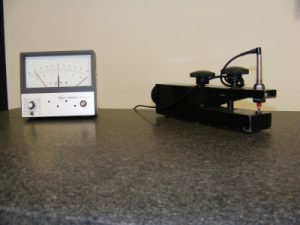
Kui testida ümmarguse kuuli korduvust, siis on näidatud, et kuuli raadius ei ole muutunud. (Korralikult parandatud plaadi ideaalsel profiilil on kumer kroonitud kuju.) Siiski on ilmne, et kuul ei ole tasane. Noh, enam-vähem. Äärmiselt lühikese vahemaa tagant on see tasane. Kuna suurem osa kontrolltöödest hõlmab kõrgusmõõturi kasutamist detaili lähedal, muutub korduvus graniitplaadi kõige kriitilisemaks omaduseks. Olulisem on üldine tasasus, välja arvatud juhul, kui kasutaja kontrollib pika detaili sirgust.
Veenduge, et teie töövõtja teeks korduva näidu testi. Plaadil võib olla korduv näit oluliselt väljaspool tolerantsi, kuid see ikkagi läbib tasapinna testi! Hämmastaval kombel võib labor saada akrediteeringu testimises, mis ei hõlma korduva näidu testi. Labor, mis ei saa parandada või pole parandamises eriti hea, eelistab teha ainult tasapinna testi. Tasasus muutub harva, kui te plaati ei liiguta.
Korduslugemise testimine on kõige lihtsam, kuid kõige raskem lappimisel. Veenduge, et teie töövõtja suudab taastada korduvuse ilma pinda "lohistamata" või pinnale laineid jätmata.
Delta T-test
See test hõlmab kivi TEGELIKU temperatuuri mõõtmist selle ülemisel ja alumisel pinnal ning erinevuse, Delta T, arvutamist sertifikaadil esitamiseks.
Oluline on teada, et graniidi keskmine soojuspaisumistegur on 3,5 μIn/tolli/kraadi. Ümbritseva õhu temperatuuri ja niiskuse mõju graniitplaadile on tühine. Siiski võib pinnaplaat tolerantsist välja minna või mõnikord paraneda isegi siis, kui Delta T on 0,3–0,5 kraadi Fahrenheiti. On vaja teada, kas Delta T on 0,12 kraadi Fahrenheiti piires, kus erinevus viimasest kalibreerimisest oli.
Samuti on oluline teada, et plaadi tööpind liigub soojuse suunas. Kui ülemine temperatuur on soojem kui alumine, siis ülemine pind tõuseb. Kui alumine on soojem, mis on haruldane, siis ülemine pind vajub. Kvaliteedijuhi või tehniku jaoks ei piisa teadmisest, et plaat on kalibreerimise või remondi ajal tasane ja korratav, vaid piisab sellest, kui teab, milline oli selle Delta T lõpliku kalibreerimistesti ajal. Kriitilistes olukordades saab kasutaja Delta T ise mõõtes kindlaks teha, kas plaat on tolerantsist väljas ainult Delta T kõikumiste tõttu. Õnneks kulub graniidil keskkonnaga kohanemiseks mitu tundi või isegi päevi. Väiksemad ümbritseva õhu temperatuuri kõikumised päeva jooksul seda ei mõjuta. Nendel põhjustel me ei esita ümbritseva õhu kalibreerimise temperatuuri ega niiskust, kuna nende mõju on tühine.
Graniitplaatide kulumine
Kuigi graniit on terasplaatidest kõvem, tekivad graniidi pinnale siiski madalad laigud. Detailide ja mõõteriistade korduv liikumine pinnaplaadil on suurim kulumisallikas, eriti kui sama pinda pidevalt kasutatakse. Plaadi pinnale jäänud mustus ja lihvimistolm kiirendavad kulumisprotsessi, kuna need satuvad osade või mõõteriistade ja graniidi pinna vahele. Detailide ja mõõteriistade liigutamisel üle pinna on abrasiivne tolm tavaliselt täiendava kulumise põhjuseks. Soovitan kulumise vähendamiseks tungivalt pidevat puhastamist. Oleme näinud plaatide kulumist, mis on põhjustatud igapäevastest UPS-i pakkide saadetistest, mis asetatakse plaatide peale! Need lokaliseeritud kulumispiirkonnad mõjutavad kalibreerimise korduvustesti näitu. Vältige kulumist regulaarse puhastamisega.
Graniitplaatide puhastamine
Plaadi puhtana hoidmiseks kasutage liivapaberit liivapaberiga. Vajutage lihtsalt väga õrnalt, et te ei jätaks liimijääke. Hästi kasutatud liimipaberiga saab suurepäraselt hakkama lihvimistolmu korjamisega puhastamiste vahel. Ärge töötage samas kohas. Liigutage oma seadet plaadil ringi, jaotades kulumist laiali. Plaadi puhastamiseks on okei kasutada alkoholi, kuid pidage meeles, et see jahutab pinda ajutiselt üle. Väikese koguse seebiga vesi on suurepärane. Samuti sobivad suurepäraselt kasutamiseks kaubandusvõrgust saadaval olevad puhastusvahendid, näiteks Starrett'i puhastusvahend, kuid veenduge, et eemaldaksite pinnalt kõik seebijäägid.
Graniitplaatide remont
Nüüdseks peaks olema selge, kui oluline on veenduda, et teie pinnaplaatide paigaldaja teostab pädeva kalibreerimise. „Tee kõik ühe kõnega“ programme pakkuvates „Arvelduskoja“ tüüpi laborites on harva tehnikut, kes saaks remonti teha. Isegi kui nad pakuvad remonti, pole neil alati tehnikut, kellel on vajalik kogemus, kui pinnaplaat on tolerantsist oluliselt väljas.
Kui teile öeldakse, et plaati ei saa äärmise kulumise tõttu parandada, helistage meile. Suure tõenäosusega saame remondi teha.
Meie tehnikud läbivad ühe- kuni pooleteiseaastase õpipoisiõppe meistri-pindplaatide tehniku käe all. Me defineerime meistri-pindplaatide tehnikuna isikut, kes on lõpetanud õpipoisiõppe ja kellel on üle kümne aasta kogemust pindplaatide kalibreerimisel ja parandamisel. Dimensional Gauge'is töötab kolm meistri-pindtehnikut, kellel on kokku üle 60 aasta kogemust. Üks meie meistri-pindtehnikutest on alati saadaval, et pakkuda tuge ja juhiseid keeruliste olukordade korral. Kõigil meie tehnikutel on kogemusi igas suuruses pindplaatide kalibreerimisel, alates väikestest kuni väga suurteni, erinevates keskkonnatingimustes, erinevates tööstusharudes ja suurte kulumisprobleemidega.
Fed Specs'i viimistlusnõuded on 16–64 keskmise aritmeetilise karedusega (AA). Eelistame viimistlust vahemikus 30–35 AA. Karedust on täpselt nii palju, et detailid ja mõõturid liiguksid sujuvalt ning ei kleepuks ega vääneks pinnaplaadi külge.
Remondi käigus kontrollime plaadi õiget kinnitust ja tasasust. Kasutame kuiva tappimismeetodit, kuid äärmise kulumise korral, mis nõuab graniidi ulatuslikku eemaldamist, teeme märgtappimise. Meie tehnikud koristavad enda järelt, nad on põhjalikud, kiired ja täpsed. See on oluline, sest graniitplaadi hoolduse hind sisaldab teie seisakuid ja tootmise kaotust. Pädev remont on ülimalt oluline ja te ei tohiks kunagi valida töövõtjat hinna või mugavuse järgi. Mõned kalibreerimistööd nõuavad kõrgelt koolitatud inimesi. Meil on see olemas.
Lõplikud kalibreerimisaruanded
Iga pinnaplaadi remondi ja kalibreerimise kohta pakume üksikasjalikke professionaalseid aruandeid. Meie aruanded sisaldavad märkimisväärsel hulgal nii kriitilist kui ka asjakohast teavet. Fed Spec. nõuab suurema osa meie esitatud teabest. Välja arvatud teistes kvaliteedistandardites, näiteks ISO/IEC-17025, sisalduv teave, on aruannete minimaalsed Fed Spec. nõuded järgmised:
- Suurus jalgades (X' x X')
- Värv
- Stiil (viitab klambriribade puudumisele või kahele või neljale ribale)
- Hinnanguline elastsusmoodul
- Keskmine tasapinna tolerants (määratud klassi/suuruse järgi)
- Korduslugemise tolerants (määratud diagonaali pikkusega tollides)
- Keskmine tasapind leitud kujul
- Keskmine tasapind vasakul
- Korda lugemist vastavalt leitud andmetele
- Korda lugemist nagu vasakul
- Delta T (temperatuuride erinevus ülemise ja alumise pinna vahel)
Kui tehnikul on vaja pinnaplaadil teha lappimis- või parandustöid, lisatakse kalibreerimistunnistusele topograafiline või isomeetriline graafik, mis tõendab kehtivat parandust.
Sõna ISO/IEC-17025 akrediteeringute ja nendega tegelevate laborite kohta
See, et laboril on akrediteering pinnaplaatide kalibreerimises, ei tähenda tingimata, et nad teavad, mida nad teevad, veel vähem seda, et nad teevad seda õigesti! Samuti ei tähenda see tingimata, et labor oskab parandada. Akrediteerimisasutused ei tee vahet taatlemise ja kalibreerimise (remondi) vahel.Aja ma tean ühte, võib-olla2akrediteerimisasutused, misLlipsAlint mu koera ümber, kui ma neile piisavalt raha maksaksin! See on kurb fakt. Olen näinud laboreid, mis on saanud akrediteeringu, tehes ainult ühe kolmest nõutavast testist. Lisaks olen näinud laboreid, mis on saanud akrediteeringu ebareaalse ebakindlusega ja ilma igasuguste tõendite või näideteta, kuidas nad väärtusi arvutasid. See kõik on kahetsusväärne.
Summeerimine
Täppisgraniitplaatide rolli ei saa alahinnata. Graniitplaatide pakutav tasane võrdluspunkt on alus, millele tuginedes tehakse kõik muud mõõtmised.
Saate kasutada kõige moodsamaid, täpsemaid ja mitmekülgsemaid mõõtevahendeid. Täpseid mõõtmisi on aga raske saada, kui võrdluspind pole tasane. Ükskord ütles potentsiaalne klient mulle: "See on lihtsalt kivi!" Minu vastus oli: "Olgu, sul on õigus ja sa kindlasti ei õigusta ekspertide palkamist oma pinnaplaatide hooldamiseks."
Hind ei ole kunagi hea põhjus pinnaplaatide paigaldajate valimiseks. Ostjad, raamatupidajad ja häiriv arv kvaliteediinsenere ei saa alati aru, et graniitplaatide resertifitseerimine ei ole nagu mikromeetri, nihiku või digitaalse multimeetri resertifitseerimine.
Mõned instrumendid nõuavad asjatundlikkust, mitte madalat hinda. Lisaks eelnevale on meie hinnad väga mõistlikud. Eriti kindlustunde tõttu, et teeme tööd õigesti. Meie lisaväärtus ulatub kaugemale ISO-17025 ja föderaalsete spetsifikatsioonide nõuetest.
Pinnaplaadid on paljude mõõtmete mõõtmise aluseks ja mõõtmise täpsuse tagamiseks on vaja oma pinnaplaadi eest korralikult hoolitseda.
Graniit on pinnaplaatide jaoks kõige populaarsem materjal tänu oma ideaalsetele füüsikalistele omadustele, nagu pinna kõvadus ja madal tundlikkus temperatuurikõikumiste suhtes. Jätkuva kasutamise korral pinnaplaadid aga kuluvad.
Tasasus ja korduvus on mõlemad kriitilise tähtsusega aspektid selle kindlaksmääramisel, kas plaat pakub täpset pinda täpsete mõõtmiste saamiseks. Mõlema aspekti tolerantsid on määratletud föderaalspetsifikatsioonis GGG-P-463C, DIN, GB, JJS... Tasasus on plaadi kõrgeima punkti (katusetasapind) ja madalaima punkti (alustasapind) vahelise kauguse mõõt. Korduvus määrab, kas ühest piirkonnast tehtud mõõtmist saab korrata kogu plaadi ulatuses ettenähtud tolerantsi piires. See tagab, et plaadil ei ole tippe ega orge. Kui näidud ei ole ettenähtud suuniste piires, võib mõõtmiste spetsifikatsioonile vastavusse viimiseks olla vajalik pinnakatte uuendamine.
Pinnaplaatide regulaarne kalibreerimine on vajalik tasasuse ja korratavuse tagamiseks aja jooksul. Crossi täppismõõtmiste grupp on ISO 17025 akrediteeritud pinnaplaatide tasasuse ja korratavuse kalibreerimiseks. Kasutame Mahri pinnaplaatide sertifitseerimissüsteemi, mis hõlmab järgmist:
- Meeleolu ja profiilianalüüs,
- Isomeetrilised või numbrilised graafikud,
- Mitme jooksuga keskmine ja
- Automaatne hindamine vastavalt tööstusstandarditele.
Mahri arvutipõhine mudel määrab kindlaks kõik nurk- või lineaarsed kõrvalekalded absoluuttasemest ning sobib ideaalselt pinnaplaatide ülitäpseks profileerimiseks.
Kalibreerimiste vaheline intervall varieerub sõltuvalt kasutussagedusest, plaadi asukoha keskkonnatingimustest ja teie ettevõtte konkreetsetest kvaliteedinõuetest. Pinnaplaadi nõuetekohane hooldus võib võimaldada pikemaid kalibreerimisintervalle, aitab vältida uuesti paigaldamise lisakulusid ja mis kõige tähtsam, tagab plaadil saadud mõõtmiste võimalikult täpse tulemuse. Kuigi pinnaplaadid tunduvad vastupidavad, on need täppisinstrumendid ja neid tuleks ka vastavalt käsitleda. Siin on mõned asjad, mida pinnaplaatide hooldamisel arvestada:
- Hoidke taldrik puhtana ja katke see võimaluse korral kinni, kui seda ei kasutata.
- Plaadile ei tohiks asetada midagi peale mõõteriistade või mõõdetavate detailide.
- Ära kasuta iga kord sama kohta taldrikul.
- Võimalusel tuleks plaati perioodiliselt pöörata.
- Järgige oma taldriku koormuspiirangut
Täppis-graniidist alus võib parandada tööpinkide jõudlust
Masinaehituses üldiselt ja eriti tööpinkide valmistamisel kasvavad nõuded pidevalt. Maksimaalse täpsuse ja jõudlusväärtuste saavutamine ilma kulusid suurendamata on pidevaks väljakutseks konkurentsivõime säilitamiseks. Tööpingi alus on siin määravaks teguriks. Seetõttu loodavad üha enam tööpinkide tootjad graniidile. Oma füüsikaliste parameetrite tõttu pakub see selgeid eeliseid, mida terase või polümeerbetooniga saavutada ei saa.
Graniit on nn vulkaaniline süvakivim ning sellel on väga tihe ja homogeenne struktuur, millel on äärmiselt madal paisumistegur, madal soojusjuhtivus ja kõrge vibratsioonisummutus.
Allpool saate teada, miks on levinud arvamus, et graniit sobib peamiselt ainult tipptasemel koordinaatmõõtemasinate alusmaterjaliks, ammu aegunud ja miks on see looduslik materjal tööpinkide alusmaterjalina väga soodne alternatiiv terasele või malmile isegi ülitäpsete tööpinkide puhul.
Me saame toota graniidist komponente dünaamiliseks liikumiseks, graniidist komponente lineaarmootoritele, graniidist komponente NDT-le, graniidist komponente röntgenile, graniidist komponente CMM-ile, graniidist komponente CNC-le, graniidist täppislaseritele, graniidist komponente lennundusele, graniidist komponente täppislavadele...
Kõrge lisandväärtus ilma lisakuludeta
Graniidi üha suurenev kasutamine masinaehituses ei tulene niivõrd terase hinna tohutust tõusust, kuivõrd sellest, et graniidist tööpingi abil saavutatav tööpingi lisaväärtus on võimalik väga väikeste või olematute lisakuludega. Seda tõestavad tuntud tööpinkide tootjate kulude võrdlused Saksamaal ja Euroopas.
Graniidist tulenevat märkimisväärset termodünaamilise stabiilsuse, vibratsioonisummutusvõime ja pikaajalise täpsuse paranemist ei ole võimalik saavutada malmist või terasest aluspinnaga või on see saavutatav vaid suhteliselt suurte kuludega. Näiteks võivad termilised vead moodustada kuni 75% masina koguveast, mida püütakse sageli kompenseerida tarkvara abil – mõõduka eduga. Madala soojusjuhtivuse tõttu on graniit pikaajalise täpsuse saavutamiseks parem alus.
Graniit vastab 1 μm tolerantsiga DIN 876 tasapinna nõuetele täpsusastme 00 osas kergesti. Kõvadusskaalal 1–10 oleva väärtusega 6 on see äärmiselt kõva ja oma erikaaluga 2,8 g/cm³ saavutab see peaaegu alumiiniumi oma. See toob kaasa ka täiendavaid eeliseid, nagu suurem etteandekiirus, suurem teljekiirendus ja lõikepinkide tööriistade eluea pikenemine. Seega viib üleminek valuplokilt graniidist tööpingile kõnealuse tööpingi täpsuse ja jõudluse osas tippklassi – ilma lisakuludeta.
Graniidi parem ökoloogiline jalajälg
Erinevalt sellistest materjalidest nagu teras või malm ei pea looduskivi tootmiseks palju energiat ja lisaaineid kasutama. Kaevandamiseks ja pinnatöötluseks on vaja vaid suhteliselt väikest energiakogust. Selle tulemuseks on suurepärane ökoloogiline jalajälg, mis isegi masina eluea lõpus ületab terase oma materjalina. Graniitkiht võib olla uue masina aluseks või seda saab kasutada täiesti erinevatel eesmärkidel, näiteks teedeehituses purustamiseks.
Graniidil pole ka ressursipuudust. See on maakoore sügaval magmast moodustunud kivim. See on miljoneid aastaid "küpsunud" ja on loodusvarana saadaval väga suurtes kogustes peaaegu kõigil mandritel, sealhulgas kogu Euroopas.
Kokkuvõte: Graniidi arvukad tõestatavad eelised terase või malmi ees õigustavad masinaehitusinseneride üha suurenevat valmisolekut kasutada seda looduslikku materjali ülitäpsete ja suure jõudlusega tööpinkide alusena. Üksikasjalikku teavet graniidi omaduste kohta, mis on tööpinkide ja masinaehituse jaoks kasulikud, leiate sellest järgmisest artiklist.
Kordusmõõtmine on lokaalse tasapinna mõõtmine. Kordusmõõtmise spetsifikatsioon sätestab, et plaadi pinnal ükskõik kus tehtud mõõtmine kordub ettenähtud tolerantsi piires. Lokaalse tasapinna täpsem kontrollimine kui üldise tasapinna kontrollimine tagab pinna tasapinna profiili järkjärgulise muutuse, minimeerides seeläbi lokaalseid vigu.
Enamik tootjaid, sealhulgas imporditud kaubamärgid, järgivad föderaalseid spetsifikatsioone üldise tasapinna tolerantsi kohta, kuid paljud eiravad korduvaid mõõtmisi. Paljud tänapäeval turul saadaolevad odavad või eelarvelised plaadid ei garanteeri korduvaid mõõtmisi. Tootja, kes ei garanteeri korduvaid mõõtmisi, EI tooda plaate, mis vastavad ASME B89.3.7-2013 või föderaalse spetsifikatsiooni GGG-P-463c või DIN 876, GB, JJS... nõuetele.
Mõlemad on täpsete mõõtmiste jaoks täpse pinna tagamiseks üliolulised. Ainuüksi tasapinna spetsifikatsioonist ei piisa mõõtmistäpsuse tagamiseks. Võtame näiteks 36 x 48 kontrollklassi A pinnaplaadi, mis vastab AINULT tasapinna spetsifikatsioonile 0,000300". Kui kontrollitav detail ületab mitut tippu ja kasutatav mõõtur asub madalas kohas, võib mõõtmisviga ühes piirkonnas olla täielik tolerants, 000300"! Tegelikult võib see olla palju suurem, kui mõõtur toetub kaldpinnale.
Sõltuvalt kalde raskusastmest ja kasutatava mõõteseadme käe pikkusest on võimalikud vead vahemikus 0,000600"–0,000800". Kui sellel plaadil oleks kordusmõõtmise spetsifikatsioon 0,000050" FIR, siis oleks mõõtmisviga väiksem kui 0,000050", olenemata sellest, kus mõõtmine plaadil tehakse. Teine probleem, mis tavaliselt tekib siis, kui väljaõppeta tehnik üritab plaati kohapeal uuesti töödelda, on plaadi sertifitseerimiseks ainult kordusmõõtmiste kasutamine.
Korduvuse kontrollimiseks kasutatavad instrumendid EI OLE mõeldud üldise tasapinna kontrollimiseks. Kui need on ideaalselt kumerale pinnale nullitud, näitavad need jätkuvalt nulli, olenemata sellest, kas pind on ideaalselt tasane, ideaalselt nõgus või 1/2" kumer! Need kontrollivad lihtsalt pinna ühtlust, mitte tasapinda. Ainult plaat, mis vastab nii tasapinna spetsifikatsioonile KUI ka korduvmõõtmise spetsifikatsioonile, vastab tõeliselt ASME B89.3.7-2013 või föderaalse spetsifikatsiooni GGG-P-463c nõuetele.
Ask us about or flatness specification and repeat measurement promise by calling +86 19969991659 or emailing INFO@ZHHIMG.COM
Jah, aga neid saab garanteerida ainult kindla vertikaalse temperatuurigradiendi korral. Soojuspaisumise mõju plaadile võib gradiendi muutuse korral kergesti põhjustada täpsuse muutuse, mis on suurem kui tolerants. Mõnel juhul, kui tolerants on piisavalt kitsas, võib laevalgustusest neelduv soojus põhjustada piisava gradiendi muutuse mitme tunni jooksul.
Graniidi soojuspaisumistegur on ligikaudu 0,0000035 tolli tolli kohta 1 °F kohta. Näiteks: 36" x 48" x 8" pinnaplaadi täpsus on 0,000075" (1/2 AA-klassist) 0 °F gradiendi juures ning ülemise ja alumise osa temperatuur on sama. Kui plaadi ülemine osa soojeneb punktini, kus see on 1 °F soojem kui alumine, muutub täpsus 0,000275" kumeraks! Seetõttu tuleks plaadi tellimist, mille tolerants on väiksem kui laboratoorses klassis AA, kaaluda ainult piisava kliimaseadme olemasolul.
Pinnaplaati tuleks toetada kolmest punktist, ideaaljuhul plaadi otstest 20% pikkusest seespool. Kaks tuge peaksid asuma pikematest külgedest 20% laiusest seespool ja ülejäänud tugi peaks olema tsentreeritud. Ainult kolm punkti saavad kindlalt toetuda millelegi muule peale täppispinna.
Plaati tuleks tootmise ajal nendest punktidest toetada ja kasutamise ajal ainult nendest kolmest punktist. Plaadi toetamine rohkem kui kolmest punktist põhjustab selle, et plaat saab tuge kolme punkti erinevatest kombinatsioonidest, mis ei ole samad kolm punkti, millele see tootmise ajal toetus. See tekitab vigu, kuna plaat paindub uue tugisüsteemiga kohandudes. Kõigil zhhimg terasest alustel on tugitalad, mis on konstrueeritud nii, et need joonduvad õigete tugipunktidega.
Kui plaat on korralikult toetatud, on täpne nivelleerimine vajalik ainult siis, kui teie rakendus seda nõuab. Nivelleerimine ei ole korralikult toetatud plaadi täpsuse säilitamiseks vajalik.
Miks valida graniitMasinaalusedjaMetroloogiakomponendid?
Vastus on peaaegu iga rakenduse puhul „jah“. Graniidi eeliste hulka kuuluvad: rooste ja korrosiooni puudumine, peaaegu immuunne deformatsiooni suhtes, kompenseeriva kühmu puudumine sälgutamisel, pikem kulumisiga, sujuvam toimimine, suurem täpsus, praktiliselt mittemagnetiseeritus, madal soojuspaisumistegur ja madalad hoolduskulud.
Graniit on tardkivimi tüüp, mida kaevandatakse selle äärmise tugevuse, tiheduse, vastupidavuse ja korrosioonikindluse tõttu. Kuid graniit on ka väga mitmekülgne – see ei sobi ainult ruutude ja ristkülikute jaoks! Tegelikult töötab Starrett Tru-Stone enesekindlalt graniidist komponentidega, mis on projekteeritud igasuguste kujude, nurkade ja kõveratega – suurepäraste tulemustega.
Tänu meie tipptasemel töötlusmeetoditele on lõikepinnad erakordselt tasased. Need omadused muudavad graniidi ideaalseks materjaliks eritellimusel valmistatud masinabaaside ja metroloogiakomponentide loomiseks. Graniit on:
masinaga töödeldav
täpselt tasane lõigatuna ja viimistletuna
roostekindel
vastupidav
kauakestev
Graniidist komponente on ka lihtne puhastada. Eritellimusel disainide loomisel vali kindlasti graniit selle suurepäraste eeliste tõttu.
STANDARDID/ SUUREKS KULUMISEKS KEHTIVAD RAKENDUSED
ZhongHui standardsete pinnaplaatide valmistamiseks kasutatav graniit on kõrge kvartsisisaldusega, mis tagab suurema kulumiskindluse ja kahjustuste vastupidavuse. Meie Superior Black ja Crystal Pink värvid imavad vett madalalt, minimeerides täppismõõturite roostetamise võimalust plaatidele kinnitumisel. ZhongHui pakutavad graniidivärvid põhjustavad vähem pimestamist, mis tähendab plaatide kasutajatele vähem silmade väsimist. Oleme graniiditüübid valinud, võttes arvesse soojuspaisumist, et hoida see aspekt minimaalsena.
KOHANDATUD RAKENDUSED
Kui teie rakendus nõuab kohandatud kujuga, keermestatud sisestustega, piludega või muul viisil töödeldud plaati, peaksite valima sellise materjali nagu must diabaas. See looduslik materjal pakub suurepärast jäikust, suurepärast vibratsiooni summutamist ja paremat töödeldavust.
Jah, kui need pole liiga tugevalt kulunud. Meie tehaseseaded ja seadmed võimaldavad optimaalseid tingimusi plaadi korrektseks kalibreerimiseks ja vajadusel ümbertöötlemiseks. Üldiselt, kui plaat on nõutavast tolerantsist 0,001" piires, saab selle kohapeal üle töödelda. Kui plaat on kulunud punktini, kus see on tolerantsist väljas rohkem kui 0,001" või kui see on tugevalt süvenenud või sälkudega, tuleb see enne uuesti poleerimist tehasesse lihvimiseks saata.
Kohapealse kalibreerimis- ja pinnatöötlustehniku valimisel tuleks olla väga hoolikas. Soovitame teil kalibreerimisteenuse valimisel olla ettevaatlik. Küsige akrediteeringut ja veenduge, et tehniku kasutatavatel seadmetel oleks riikliku inspektsiooniasutuse jälgitav kalibreerimine. Graniidi täppislihvimise õigeks õppimiseks kulub aastaid.
ZhongHui pakub meie tehases teostatud kalibreerimistöödele kiiret teostust. Saatke oma plaadid võimalusel kalibreerimiseks. Teie kvaliteet ja maine sõltuvad teie mõõtevahendite, sealhulgas pinnaplaatide täpsusest!
Meie mustad pinnaplaadid on oluliselt suurema tihedusega ja kuni kolm korda jäigemad. Seetõttu ei pea mustast plaadist valmistatud plaat olema sama paks kui sama suurusega graniitplaat, et sellel oleks võrdne või suurem paindekindlus. Väiksem paksus tähendab väiksemat kaalu ja madalamaid transpordikulusid.
Olge ettevaatlik teiste suhtes, kes kasutavad sama paksusega madalama kvaliteediga musta graniiti. Nagu eespool mainitud, varieeruvad graniidi omadused, nagu puidu või metalli puhul, materjali ja värvi lõikes ning ei ole täpne jäikuse, kõvaduse ega kulumiskindluse ennustaja. Tegelikult on paljud musta graniidi ja diabaasi tüübid väga pehmed ega sobi pinnaplaatide jaoks.
Ei. Nende esemete ümbertöötlemiseks vajalik erivarustus ja väljaõpe nõuavad nende tagastamist tehasesse kalibreerimiseks ja ümbertöötlemiseks.
Jah. Keraamikal ja graniidil on sarnased omadused ning graniidi kalibreerimiseks ja tasandamiseks kasutatavaid meetodeid saab kasutada ka keraamiliste esemete puhul. Keraamikat on graniidist raskem tasandada, mille tulemuseks on kõrgem hind.
Jah, eeldusel, et vahetükid on pinna alla süvistatud. Kui terasest vahetükid on pinnaga samal tasapinnal või sellest kõrgemal, tuleb need enne plaadi ülekattega ühendamist punktlihvida. Vajadusel saame seda teenust pakkuda.
Jah. Soovitud keermega (inglise või meetrilise) terasest vahetükid saab plaadile soovitud kohtades epoksüüdliimiga kinnitada. ZhongHui kasutab CNC-masinaid, et tagada kõige tihedamad vahetükkide asukohad täpsusega +/- 0,005”. Vähem kriitiliste vahetükkide puhul on meie keermestatud vahetükkide asukoha tolerants ±0,060”. Muude valikute hulka kuuluvad terasest T-vardad ja otse graniidi sisse freesitud tapipaugud.
Õigesti ülitugeva epoksüüdiga ja hea töökvaliteediga liimitud vahetükid peavad vastu suurele väände- ja nihkejõule. Hiljutises testis, kus kasutati 3/8"-16 keermega vahetükke, mõõtis sõltumatu katselabor epoksüüdiga liimitud vahetüki pinnaplaadilt eemaldamiseks vajalikku jõudu. Testiti kümmet plaati. Neist kümnest purunes üheksal juhul graniit esimesena. Keskmine koormus purunemiskohas oli halli graniidi puhul 10 020 naela ja musta graniidi puhul 12 310 naela. Ühel juhul, kui vahetükk plaadist lahti tõmmati, oli koormus purunemiskohas 12 990 naela! Kui toorik moodustab vahetüki üle silla ja rakendatakse äärmist pöördemomenti, on võimalik tekitada piisavalt jõudu graniidi purustamiseks. Osaliselt sel põhjusel annab ZhongHui juhised epoksüüdiga liimitud vahetükkidele rakendatava maksimaalse ohutu pöördemomendi kohta: https://www.zhhimg.com/standard-thread-inserts-product/
Jah, aga ainult meie tehases. Meie tehases saame taastada peaaegu iga plaadi „nagu uueväärsesse” seisukorda, tavaliselt vähem kui poole odavamalt kui selle väljavahetamine. Kahjustatud servi saab kosmeetiliselt parandada, sügavaid sooneid, sälke ja lohke saab lihvida ning kinnitatud toed saab välja vahetada. Lisaks saame teie plaati selle mitmekülgsuse suurendamiseks muuta, lisades teie spetsifikatsioonide kohaselt tahkeid või keermestatud terasest vahetükke ja lõigates pilusid või kinnitusdetaile.
Miks valida graniit?
Graniit on tardkivimi tüüp, mis tekkis Maal miljoneid aastaid tagasi. Tardkivimi koostis sisaldas palju mineraale, näiteks kvartsi, mis on äärmiselt kõva ja kulumiskindel. Lisaks kõvadusele ja kulumiskindlusele on graniidil umbes pool malmi paisumiskoefitsient. Kuna selle mahuline kaal on umbes kolmandik malmi omast, on graniiti lihtsam käsitseda.
Masinaaluste ja metroloogiakomponentide puhul on must graniit enimkasutatav värv. Mustal graniidil on suurem kvartsisisaldus kui teistel värvidel ja seetõttu on see kõige kulumiskindlam.
Graniit on kulutõhus ja lõikepinnad võivad olla erakordselt tasased. Seda saab mitte ainult käsitsi lappida äärmise täpsuse saavutamiseks, vaid ka ümbertöötlemist saab teha ilma plaati või lauda ehitusplatsilt ära viimata. See on täielikult käsitsi lappimise toiming ja maksab üldiselt palju vähem kui malmist alternatiivi ümbertöötlemise.
Need omadused muudavad graniidi ideaalseks materjaliks eritellimusel valmistatud masinate aluste ja metroloogiakomponentide, näiteks ...graniidist pinnaplaat.
ZhongHui toodab eritellimusel graniidist tooteid, mis on loodud konkreetsete mõõtude nõuete täitmiseks. Need eritellimusel valmistatud tooted varieeruvadsirged servad tokolmnurksed ruududGraniidi mitmekülgsuse tõttu onkomponendidneid saab toota mis tahes vajalikus suuruses; need on vastupidavad ja kauakestvad.
Graniidist pinnaplaatide eelised
Briti leiutaja Henry Maudsley pani 19. sajandil paika tasasel pinnal mõõtmise olulisuse. Tööpinkide uuendajana tegi ta kindlaks, et detailide järjepidevaks tootmiseks on usaldusväärsete mõõtmiste saamiseks vaja tahket pinda.
Tööstusrevolutsioon lõi nõudluse mõõtepindade järele, seega lõi insenerifirma Crown Windley tootmisstandardid. Pinnaplaatide standardid kehtestas Crown esmakordselt 1904. aastal, kasutades metalli. Metalli nõudluse ja hinna kasvades uuriti mõõtepindade alternatiivseid materjale.
Ameerikas tegi monumendi looja Wallace Herman kindlaks, et must graniit on suurepärane pinnamaterjali alternatiiv metallile. Kuna graniit on mittemagnetiline ja ei roosteta, sai sellest peagi eelistatud mõõtepind.
Graniidist pinnaplaat on laborite ja katseasutuste jaoks oluline investeering. 600 x 600 mm graniidist pinnaplaadi saab paigaldada tugijalale. Toed pakuvad 34” (0,86 m) töökõrgust ja viit reguleeritavat punkti nivelleerimiseks.
Usaldusväärsete ja järjepidevate mõõtmistulemuste saamiseks on graniidist pinnaplaat ülioluline. Kuna pind on sile ja stabiilne, võimaldab see instrumente hoolikalt käsitseda.
Graniitplaatide peamised eelised on:
• Peegeldamatu
• Kemikaalidele ja korrosioonile vastupidav
• Madal paisumistegur võrreldes kärumalmiga, seega mõjutab temperatuurimuutus vähem
• Loomulikult jäik ja kulumiskindel
• Pinna tasapind ei muutu, kui see kriimustatakse
• Ei roosteta
• Mittemagnetiline
• Lihtne puhastada ja hooldada
• Kalibreerimist ja pinnakatte uuendamist saab teha kohapeal
• Sobib keermestatud tugidetailide puurimiseks
• Tugev vibratsioonisummutus
Paljudes töökodades, kontrollruumides ja laborites kasutatakse täpse mõõtmise alusena täppis-graniidist pinnaplaate. Kuna iga lineaarne mõõtmine sõltub täpsest võrdluspinnast, millelt lõplikud mõõtmed võetakse, pakuvad pinnaplaadid parimat võrdlustasandit töö kontrollimiseks ja paigutamiseks enne töötlemist. Need on ideaalsed alused ka kõrguse mõõtmiseks ja pindade mõõtmiseks. Lisaks muudavad kõrge tasasus, stabiilsus, üldine kvaliteet ja töötlus need heaks valikuks keerukate mehaaniliste, elektrooniliste ja optiliste mõõtsüsteemide paigaldamiseks. Kõigi nende mõõtmisprotsesside puhul on hädavajalik hoida pinnaplaadid kalibreerituna.
Korda mõõtmisi ja tasasust
Nii tasapinnalisus kui ka korduvad mõõtmised on täpse pinna tagamiseks kriitilise tähtsusega. Tasapinnalisust võib pidada kõigi pinna punktide paiknemiseks kahel paralleelsel tasapinnal – aluspinnal ja katusepinnal. Tasapindade vahelise kauguse mõõt on pinna üldine tasasus. Sellel tasapinnalisuse mõõtmisel on tavaliselt tolerants ja see võib sisaldada ka klassi tähistust.
Kolme standardklassi tasapinna tolerantsid on määratletud föderaalses spetsifikatsioonis järgmise valemi abil:
Laboriklassi AA = (40 + diagonaal² / 25) x 0,000001 tolli (ühepoolne)
Kontrolliklass A = laboriklass AA x 2
Tööriistaruumi klass B = laboriklass AA x 4
Lisaks tasapinnalisusele tuleb tagada ka korduvus. Kordusmõõtmine on lokaalsete tasapinnaliste alade mõõtmine. See on mõõtmine, mis tehakse plaadi pinnal ükskõik kus ja mis kordub ettenähtud tolerantsi piires. Lokaalse tasapinnalise alade kontrollimine üldisest tasapinnalisusest rangema tolerantsi piires tagab pinna tasapinnalise profiili järkjärgulise muutumise, minimeerides seeläbi lokaalseid vigu.
Selleks, et tagada pinnaplaadi vastavus nii tasapinnalisuse kui ka korduvmõõtmise spetsifikatsioonidele, peaksid graniidist pinnaplaatide tootjad oma spetsifikatsioonide alusena kasutama föderaalset spetsifikatsiooni GGG-P-463c. See standard käsitleb korduvmõõtmise täpsust, graniitpindade materjaliomadusi, pinnaviimistlust, tugipunktide asukohta, jäikust, vastuvõetavaid kontrollimeetodeid ja keermestatud sisestusdetailide paigaldamist.
Enne kui pinnaplaat on kulunud üle üldise tasapinna spetsifikatsiooni, on sellel näha kulunud või lainelisi postid. Korduvate mõõtmisvigade igakuine kontroll korduvmõõteseadmega tuvastab kulumiskohad. Korduvate mõõtmistega seade on ülitäpne instrument, mis tuvastab lokaalseid vigu ja mida saab kuvada suurendusvõimega elektroonilisel võimendil.
Plaadi täpsuse kontrollimine
Mõne lihtsa juhise järgimisega peaks graniidist pinnaplaati investeering kestma aastaid. Pinnaplaadi täpsuse kontrollimise sagedus varieerub sõltuvalt plaadi kasutamisest, töökoja keskkonnast ja vajalikust täpsusest. Üldine rusikareegel on, et uus plaat tuleks täielikult ümber kalibreerida ühe aasta jooksul alates ostmisest. Kui plaati kasutatakse sageli, on soovitatav seda intervalli lühendada kuue kuuni.
Enne kui pinnaplaat on kulunud üle üldise tasapinna spetsifikatsiooni, on sellel näha kulunud või lainelisi postid. Korduvate mõõtmisvigade igakuine kontroll korduvmõõteseadmega tuvastab kulumiskohad. Korduvate mõõtmistega seade on ülitäpne instrument, mis tuvastab lokaalseid vigu ja mida saab kuvada suurendusvõimega elektroonilisel võimendil.
Tõhus kontrolliprogramm peaks hõlmama regulaarseid kontrolle autokollimaatoriga, mis tagab üldise tasapinnalisuse tegeliku kalibreerimise vastavalt Riiklikule Standardite ja Tehnoloogia Instituudile (NIST). Aeg-ajalt on vajalik tootja või sõltumatu ettevõtte põhjalik kalibreerimine.
Kalibreerimiste vahelised erinevused
Mõnel juhul esineb pinnaplaatide kalibreerimiste vahel erinevusi. Mõnikord võivad need erinevused olla tingitud sellistest teguritest nagu kulumisest tingitud pinnamuutus, kontrollseadmete ebaõige kasutamine või kalibreerimata seadmete kasutamine. Kaks kõige levinumat tegurit on aga temperatuur ja tugi.
Üks olulisemaid muutujaid on temperatuur. Näiteks võidi pinda enne kalibreerimist pesta kuuma või külma lahusega ja sellele ei antud piisavalt aega normaliseerumiseks. Muud temperatuurimuutuse põhjused on külma või kuuma õhu tuuletõmbus, otsene päikesevalgus, laevalgustus või muud plaadi pinnale kiirgava soojuse allikad.
Samuti võib talve ja suve vahel olla vertikaalse temperatuurigradiendi erinevusi. Mõnel juhul ei anta plaadile pärast saatmist piisavalt aega normaliseerumiseks. Kalibreerimise ajal on hea mõte vertikaalse gradiendi temperatuur registreerida.
Teine levinud kalibreerimise kõrvalekallete põhjus on valesti toetatud plaat. Pinnaplaati tuleks toetada kolmest punktist, ideaaljuhul plaadi otstest 20% pikkusest sissepoole. Kaks tuge peaksid asuma pikematest külgedest 20% laiusest sissepoole ja ülejäänud tugi peaks olema tsentreeritud.
Ainult kolm punkti saavad toetuda kindlalt millelegi muule kui täppispinnale. Plaadi toetamine rohkem kui kolmest punktist põhjustab selle, et plaat saab tuge kolme punkti erinevatest kombinatsioonidest, mis ei ole samad kolm punkti, millele see tootmise ajal toetus. See tekitab vigu, kuna plaat paindub uue tugikonstruktsiooniga kohandudes. Kaaluge terasest aluste kasutamist tugitaladega, mis on konstrueeritud nii, et need joonduvad õigete tugipunktidega. Selleks otstarbeks on alused üldiselt saadaval pinnaplaadi tootjalt.
Kui plaat on korralikult toetatud, on täpne nivelleerimine vajalik ainult siis, kui rakendus seda nõuab. Nivelleerimine ei ole korralikult toetatud plaadi täpsuse säilitamiseks vajalik.
Oluline on plaati puhtana hoida. Õhus leviv abrasiivtolm on tavaliselt plaadi suurim kulumisallikas, kuna see kipub kinnituma töödeldavatesse detailidesse ja mõõteriistade kontaktpindadesse. Katke plaadid kinni, et kaitsta neid tolmu ja kahjustuste eest. Kulumisaega saab pikendada, kui plaati ei kasutata.
Pikenda plaatide eluiga
Mõne juhise järgimine vähendab graniidist pinnaplaadi kulumist ja pikendab lõpuks selle eluiga.
Esiteks on oluline hoida plaat puhtana. Õhus leviv abrasiivtolm on tavaliselt plaadi suurim kulumisallikas, kuna see kipub kinnistuma töödeldavatesse detailidesse ja mõõteriistade kokkupuutepindadesse.
Samuti on oluline plaadid tolmu ja kahjustuste eest kaitsmiseks katta. Kulumiskindlust saab pikendada, kui plaati ei kasutata.
Pöörake plaati perioodiliselt, et üksik ala liigselt ei koormataks. Samuti on soovitatav gabariidi mõõtmisel terasest kontaktpadjad asendada karbiidist kontaktpatjadega.
Väldi toidu või karastusjookide taldrikule asetamist. Paljud karastusjoogid sisaldavad kas süsihapet või fosforhapet, mis võib lahustada pehmemaid mineraale ja jätta pinnale väikesed lohud.
Kuhu uuesti puhata
Kui graniidist pinnaplaat vajab uuesti pindamist, kaaluge, kas lasta see teenus teostada kohapeal või kalibreerimiskeskuses. Alati on eelistatav lasta plaat uuesti pinda panna tehases või spetsiaalses asutuses. Kui aga plaat pole liiga palju kulunud, tavaliselt nõutavast tolerantsist 0,001 tolli piires, saab selle kohapeal uuesti pinda panna. Kui plaat on kulunud punktini, kus see on tolerantsist väljas rohkem kui 0,001 tolli või kui see on tugevalt auklik või sälkuline, tuleks see enne uuesti pindamist saata tehasesse lihvimiseks.
Kalibreerimiskeskuses on seadmed ja tehaseseaded, mis tagavad optimaalsed tingimused plaatide nõuetekohaseks kalibreerimiseks ja vajadusel ümbertöötlemiseks.
Kohapealse kalibreerimis- ja pinnatöötlustehniku valimisel tuleks olla väga hoolikas. Küsige akrediteeringut ja veenduge, et tehniku kasutatavatel seadmetel oleks NIST-jälgitav kalibreerimine. Kogemus on samuti oluline tegur, kuna graniidi täppislihvimise õigeks õppimiseks kulub aastaid.
Olulised mõõtmised algavad täpse graniidist pinnaplaadiga kui lähtepunktiga. Tagades usaldusväärse viite korralikult kalibreeritud pinnaplaadi abil, on tootjatel üks olulisemaid tööriistu usaldusväärsete mõõtmiste ja parema kvaliteediga osade saamiseks.
Kalibreerimise variatsioonide kontroll-leht
- Enne kalibreerimist pesti pinda kuuma või külma lahusega ja sellele ei antud piisavalt aega normaliseerumiseks.
- Plaat on valesti toetatud.
- Temperatuuri muutus.
- Mustandid.
- Otsene päikesevalgus või muu kiirgussoojus plaadi pinnal. Veenduge, et laevalgustus pinda ei kuumutaks.
- Vertikaalse temperatuurigradiendi kõikumised talve ja suve vahel. Võimaluse korral teadke vertikaalse gradiendi temperatuuri kalibreerimise ajal.
- Plaadil ei antud pärast saatmist piisavalt aega normaliseerumiseks.
- Kontrollseadmete ebaõige kasutamine või kalibreerimata seadmete kasutamine.
- Kulumisest tingitud pinna muutus.
Tehnilised näpunäited
Kuna iga lineaarmõõtmine sõltub täpsest võrdluspinnast, millelt lõplikud mõõtmed võetakse, pakuvad pinnaplaadid parimat võrdlustasandit töö kontrollimiseks ja paigutamiseks enne töötlemist.
Kohaliku pinna tasapinna kontrollimine üldisest tasapinnast rangema tolerantsi piires tagab pinna tasapinna profiili järkjärgulise muutumise, minimeerides seeläbi kohalikke vigu.